Part 3 of The Boy We Loved, Once Upon a Time – Posts about my nephew, Jeff, who died of cancer 25 years ago this week.
During the year that Jeff had cancer, I found myself wrestling with God about His will, His silence, His purpose in allowing such hardship and suffering to strike an innocent child. I struggled to balance my understanding of God’s love and compassion with all that Jeff was enduring. I wasn’t alone in my struggle, obviously. Early in December of 1995, after we had learned that Jeff’s cancer had recurred and that their family would not be able to travel to Minnesota for Christmas, I had an intriguing discussion with my six-year-old son Erik, which I captured in a letter I sent to Kathy, Karin, and my mom and dad.
Tonight Erik and I had a pivotal discussion — the kind where I think afterward, “that was a ‘big’ talk and I hope I handled it right.” And then I wonder if I truly believe what I said.
It began after Erik prayed for Jeff to feel better by the time we go to Texas for Christmas. Then he asked what cancer looks like, etc. I wanted to reassure him of how uncommon it is for a child to have cancer, so that he wouldn’t worry about getting it (at that point, Erik noted, “I’d rather that Anika gets it, instead.”) Then I said, “But you know what, even though Jeff has cancer, I believe that God is in control, and He knows what He’s doing even though we don’t.”
Erik’s response was something like, “Is it kind of like He let a fly ball get by and if He quick picks it up and throws it He’ll maybe still get the other team out?”
I was puzzled and he added, “I’m kind of wondering if Satan hit a fly ball past God.”
That floored me. “Are you kind of thinking Satan caused Jeff to get cancer?” Erik said, “I don’t know. Maybe.” I think he was wondering if that was blasphemous or something.
I said, “That’s a very good question, and I think many grown ups ask the same kind of question.” I told him I didn’t know whether or not Satan made Jeff sick, but I repeated that I believe God is in control.
Then I came up with a word picture that I thought would help Erik understand that we don’t see the whole picture but that God does, so sometimes we don’t understand why things happen. I said it’s like we’re standing in the doorway to a room with the door cracked open an inch or so. All we see is what is visible through a crack. God is in the room and He can see everything that’s going on inside.
I wasn’t satisfied with my explanation, so then I tried to expand on Erik’s sports analogy: I said, “Let’s say God is at second base and there are three men on base. If a ball is hit to God and He throws it home, He’ll keep the other team from getting a run, even though the base runners advance, you see?”
Erik shook his head. “He should go for a double play.” (2021: I’m not sure where I was headed with that train of thought. It seems I got off at the next station.) I decided to cut my losses and hope he understood some of what I was trying to say.
None of what Jeff is experiencing is worth the discussion I had with Erik. But if Jeff is going to go through this anyway, I’m grateful for the opportunity it creates for Erik periodically to invite me into his private world to help him sort through some of life’s big questions.
I believe, in a way, that that is one of the purposes for situations like these: they force our stated beliefs under the microscope where we can really examine their worth. Discussions like the one I had with Erik this evening have brought me to the point that I have to trust God. I don’t feel anger. Resignation, maybe. All I know is that I feel a calm assurance that God’s will is best for Jeff, and we have time to accept it as it unfolds.
The length of one’s life is of so much importance to us from our finite perspective, but I think Corrie ten Boom was right in her statement that “maybe the way in which we travel and the attitude we have while making our way through life is more important than reaching our destination. Or could it be that in God’s sight, the way is the destination?”
I’m beginning to visualize one’s life as a tin can and once you die it’s crushed flat. Looking at it from an eternal perspective, it doesn’t matter how long or short the can was; you won’t be able to tell anymore. What will matter is the quality of the life lived, and whether the person fulfilled his or her purpose.
I believe I’ll be able to accept Jeff’s death if that is what happens because I know heaven is truly the better place to be. Jeff will be blessed to be in the presence of Jesus. We will be less fortunate to remain on earth. If Jeff has been handpicked by God for His indiscernible purposes, then Jeff is truly honored and I am in awe.
When we learned that Jeff wouldn’t be able to travel to Iowa and Minnesota for Christmas in 1995, my dad chartered a bus so we could bring Christmas to them. I’m still blown away by the kindness of the two bus drivers, Paul Drake & Glen Hanson, who gave up Christmas with their families so that we could share our final holiday with Jeff.
As Kris noted about our dad after he died, “he made good things happen.”

The peace I felt about Jeff’s outcome did not ease the heartache of observing his ongoing suffering and disappointment, limitations and discomfort. It didn’t erase the growing dread of the sorrow that awaited Kris and Tom and Lisa, and all who loved Jeff and their family. That grief settled in alongside the peace I felt, and ultimately, gratitude muscled its way in, as well. This kind of balancing act, I’ve found, accompanies much of life.
The NBC television show This is Us provides countless examples of that very thing as it celebrates the joys and pains of family with every episode. The season four finale had a flashback of Jack and Rebecca on the triplets’ first birthday, visiting the doctor who had delivered them. They explained that they were having trouble processing the loss of the baby who was stillborn, and he said, “I think the trick is not trying to keep the joys and tragedies apart but you got to let them cozy up to one another, and co-exist. I think if you can do that and manage to forge ahead with all that joy and heartache mixed up together, never knowing which one’s going to get the upper hand, then life does have a way of shaking out to be more beautiful than tragic.”
Kris posted something on one of the anniversaries of Jeff’s death in which she said that the gratitude she felt for his life overshadowed the grief she felt over her loss of him. I thought that she very aptly described the teeter-totter that is our experience as human beings, and the choice that is, ultimately, ours to make. We are always balancing our responses to the events and circumstances we face, and it’s helpful to let gratitude be the fulcrum upon which everything rests.

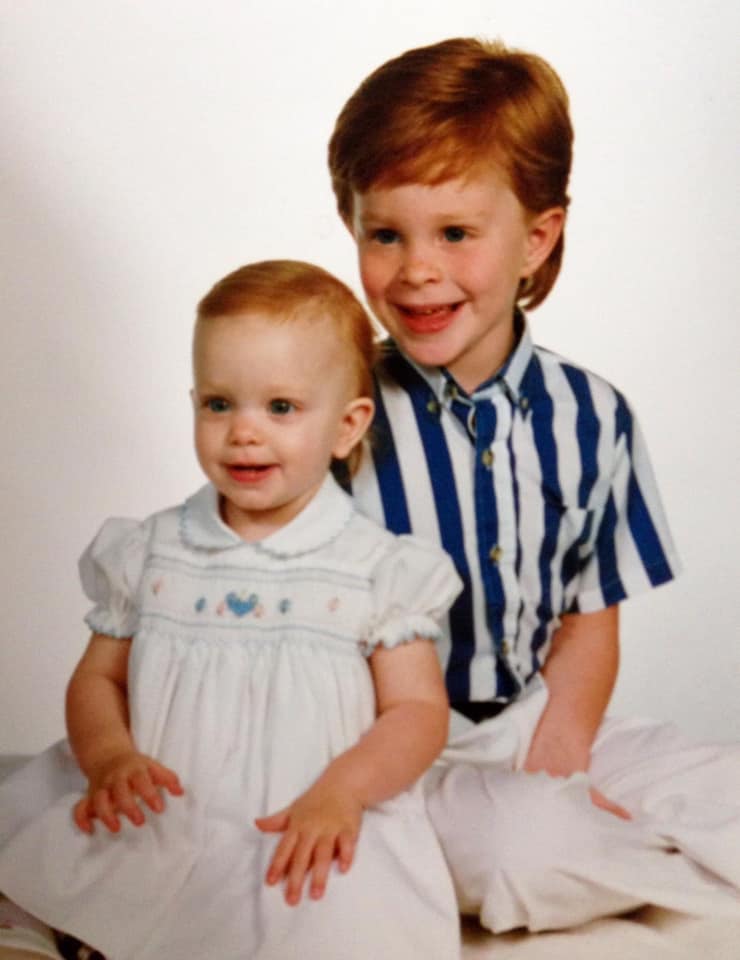
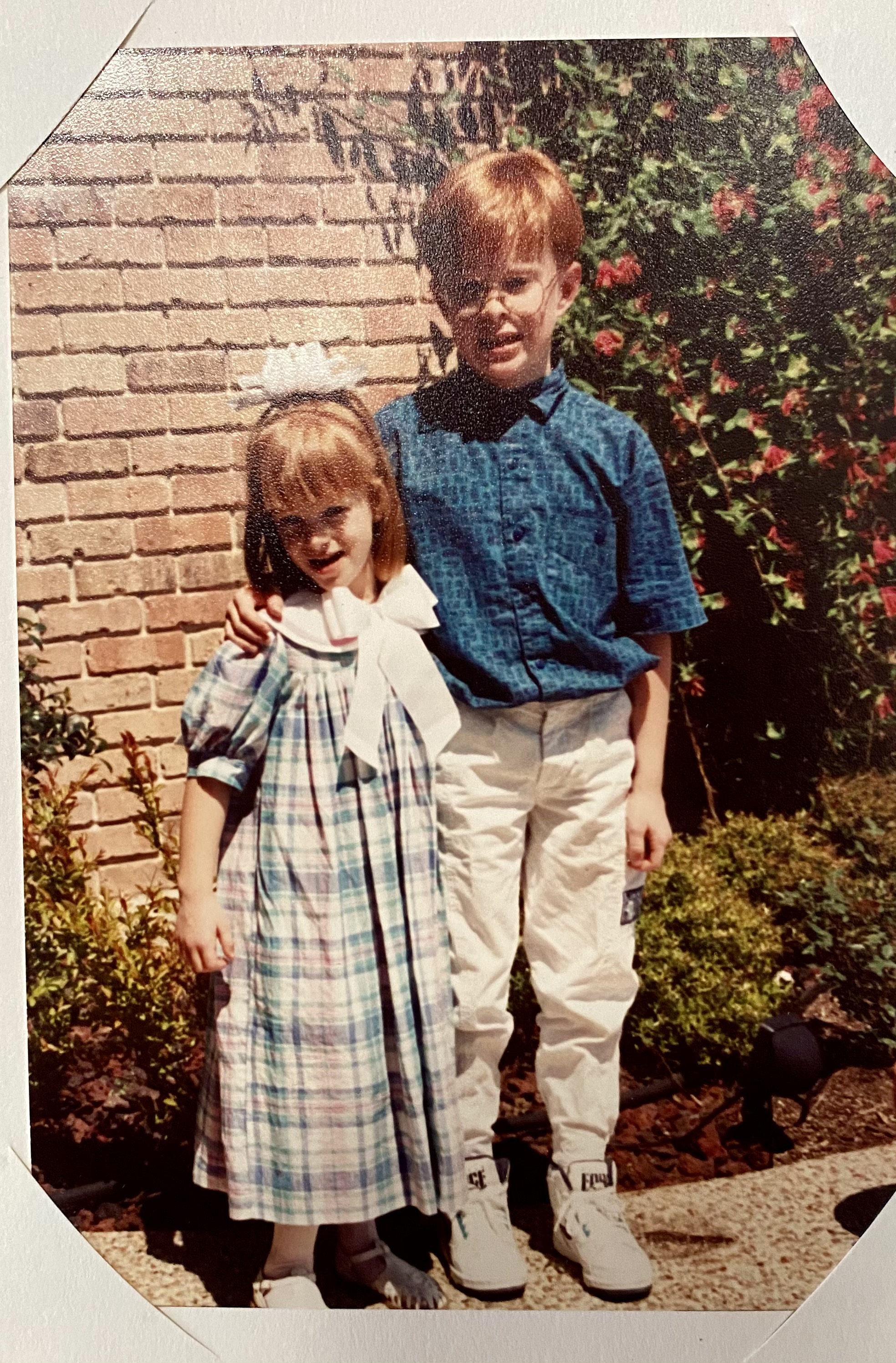
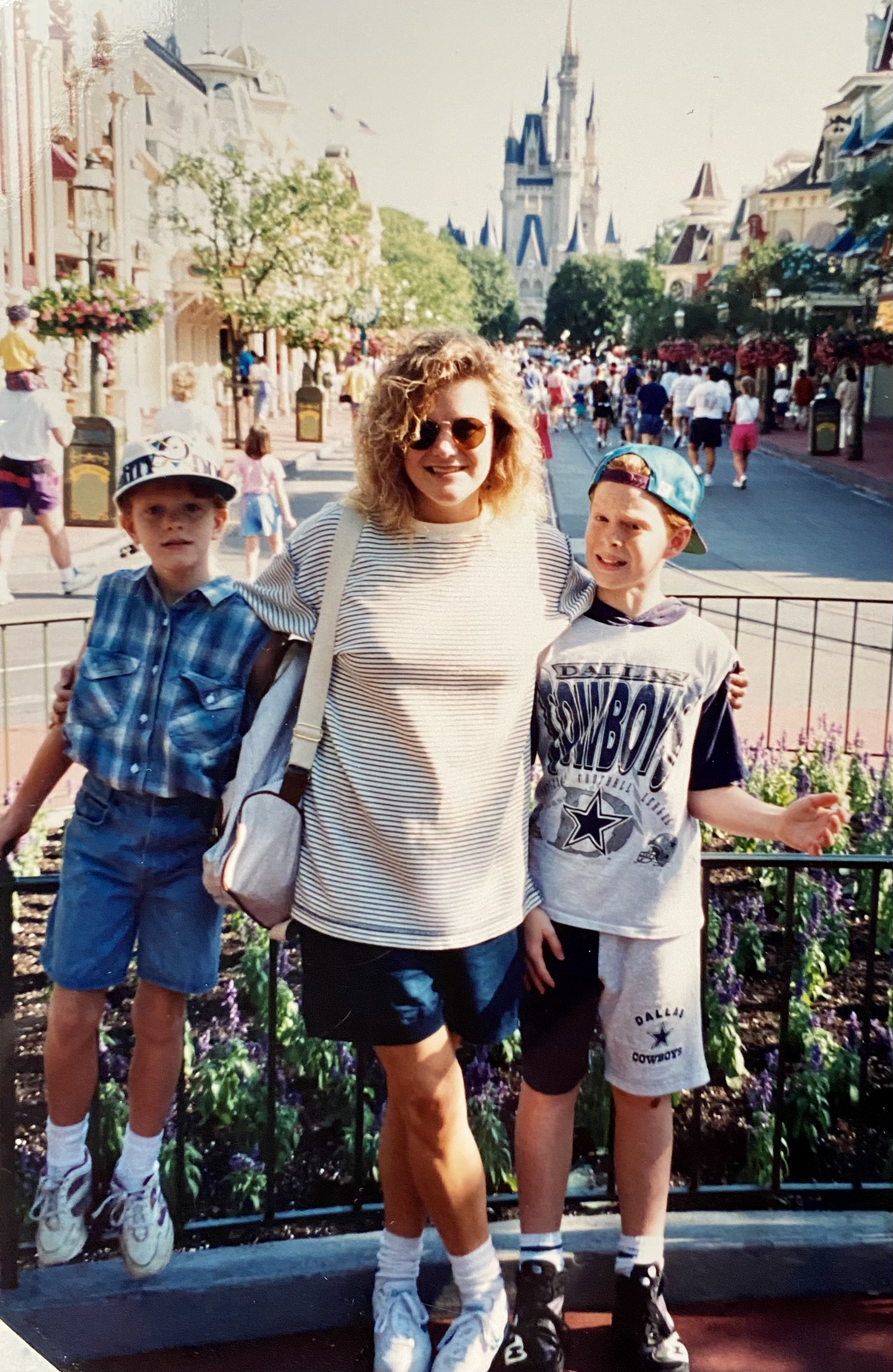
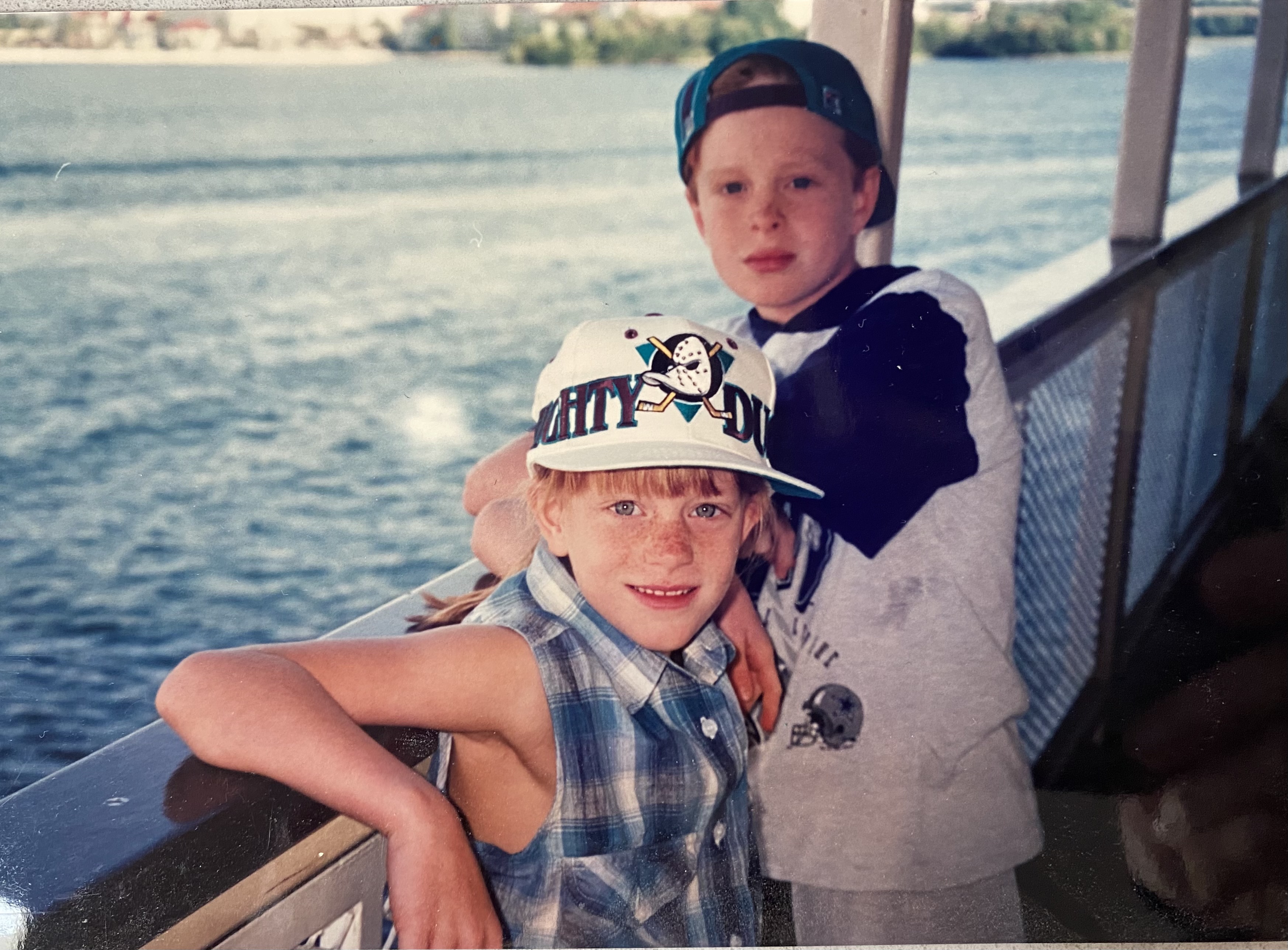
“I think the trick is not trying to keep the joys and tragedies apart but you got to let them cozy up to one another, and co-exist. I think if you can do that and manage to forge ahead with all that joy and heartache mixed up together, never knowing which one’s going to get the upper hand, then life does have a way of shaking out to be more beautiful than tragic.
Dr. Nathan Katowski, This is Us
 Karna Eastlund Haugen