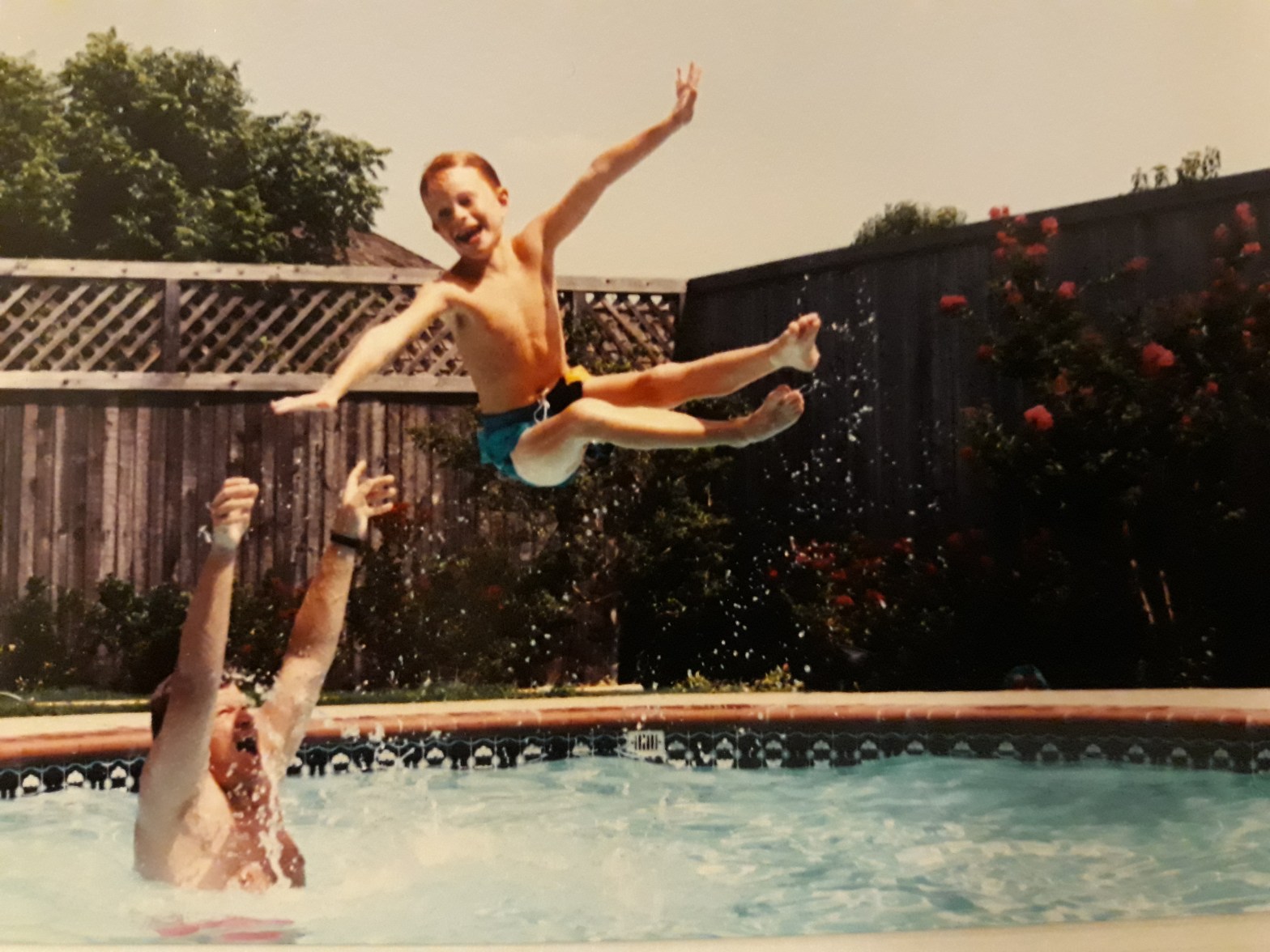
Part 4 of The Boy We Loved, Once Upon a Time – posts about my nephew, Jeff, who died of cancer 25 years ago this week.
My nephew Jeff liked a good roller coaster. The anticipation of the climb uphill, the dizzying heights, the breakneck speed, the swooping freefalls down. He knew what to expect out of a roller coaster. Until cancer.
After the family moved to Mobile, Alabama, shortly after Christmas, Jeff began to exhibit unusual physical symptoms including vomiting and problems with balance and coordination, as well as occasional slurring of speech. They sought treatment in Dallas, where he underwent surgery to remove fragments of the tumor for biopsy. It was confirmed that Jeff had anaplastic astrocytoma, a rare nerve tissue tumor in the brain stem. While the surgeon attempted to remove all of the tumor that he could without creating more damage, it was impossible to know if they got it all. (This is when I learned why it’s called cancer: cancer cells create a web with finger- or claw-like projections. The web makes it very difficult for surgeons to fully extricate cancerous tissue from healthy tissue. It was first named by Hippocrates, and he called it carcinoma or carcinos, which were Greek terms for describing a crab. It’s like the crab in the sign of the zodiac. Good to know. ) While completing a six-week course of radiation and chemotherapy, he was given steroids to reduce swelling, which caused bloating, restlessness, a ravenous appetite, and weight gain.
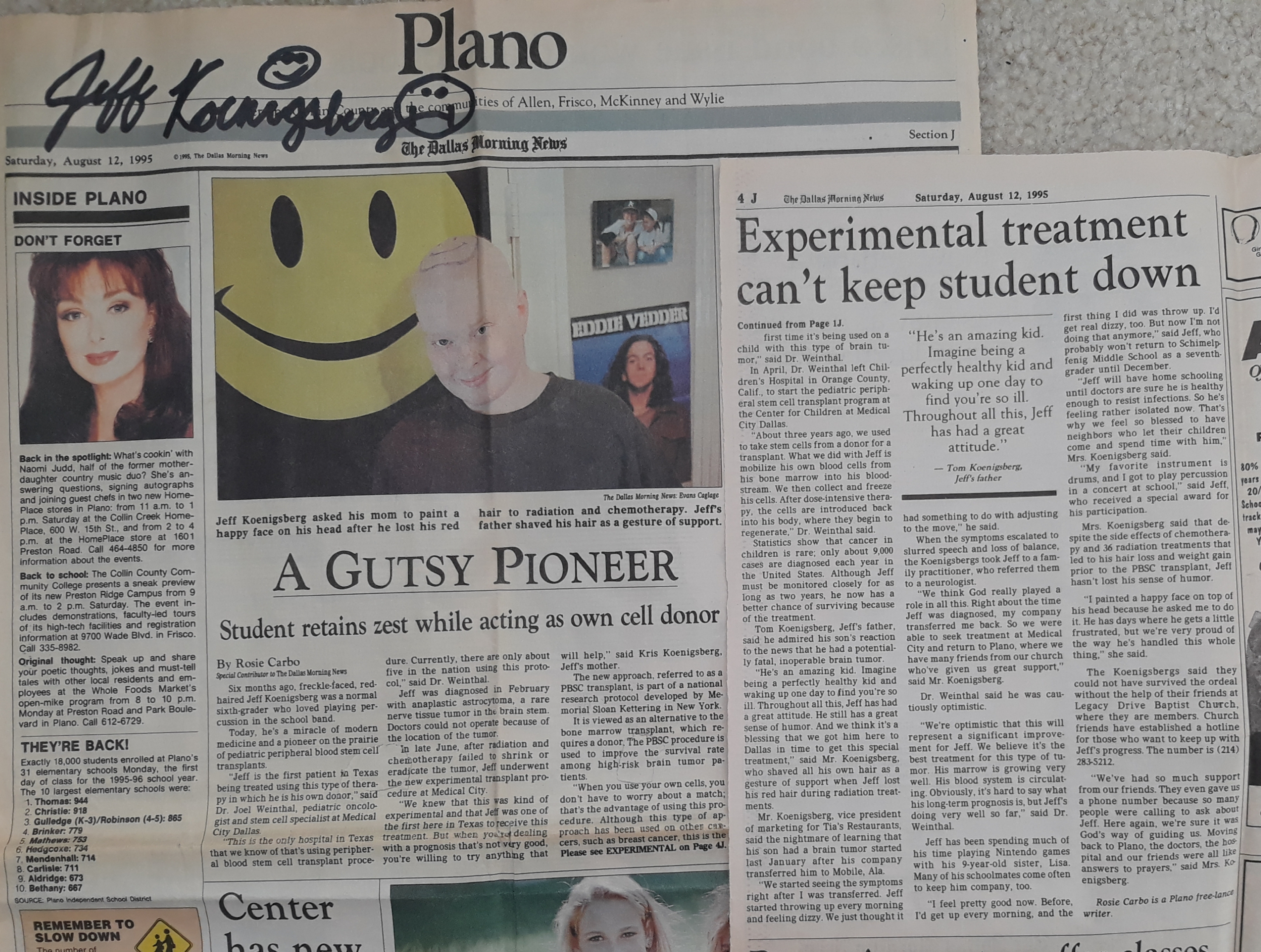
In June, he entered the hospital for an aggressive course of treatment which was experimental at the time: high dose chemotherapy with stem cell rescue, with Jeff serving as his own donor. He was the first pediatric patient in Texas with his particular type of cancer who was treated using that type of therapy, as was reported in the local edition of the Dallas Morning News. The approach, referred to as PBSC transplant, was part of a national research protocol developed by Memorial Sloan Kettering in New York. It had been used with other types of cancers, but not with brain tumors, and not in children.
The initial outcome of the grueling treatment (and its unpleasant aftereffects… mouth sores & raw throat, loss of appetite, irritating rash, high fever) was very promising, but within months it was evident that the cancer had recurred in Jeff’s spine, and we understood nothing more could be done.
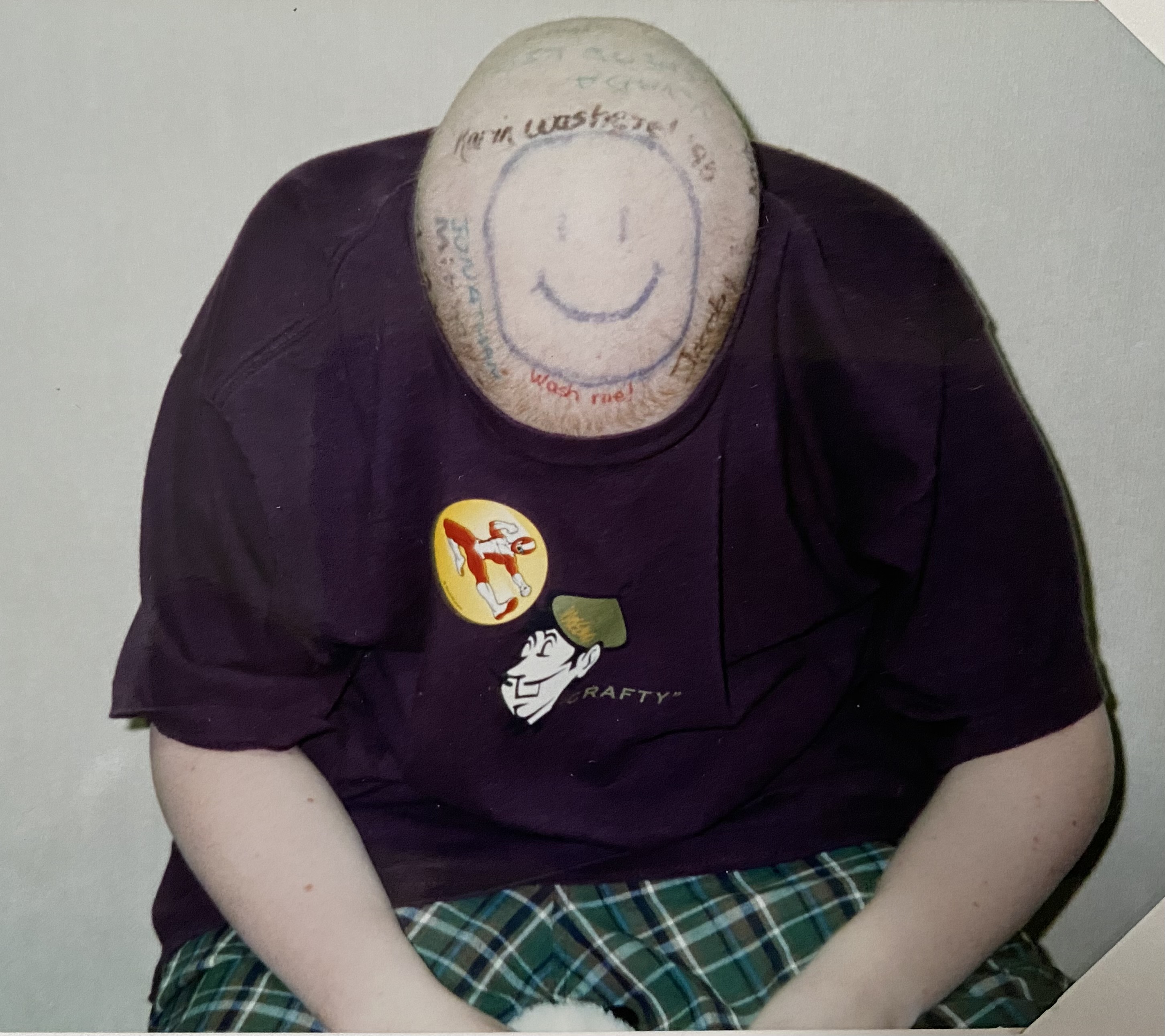
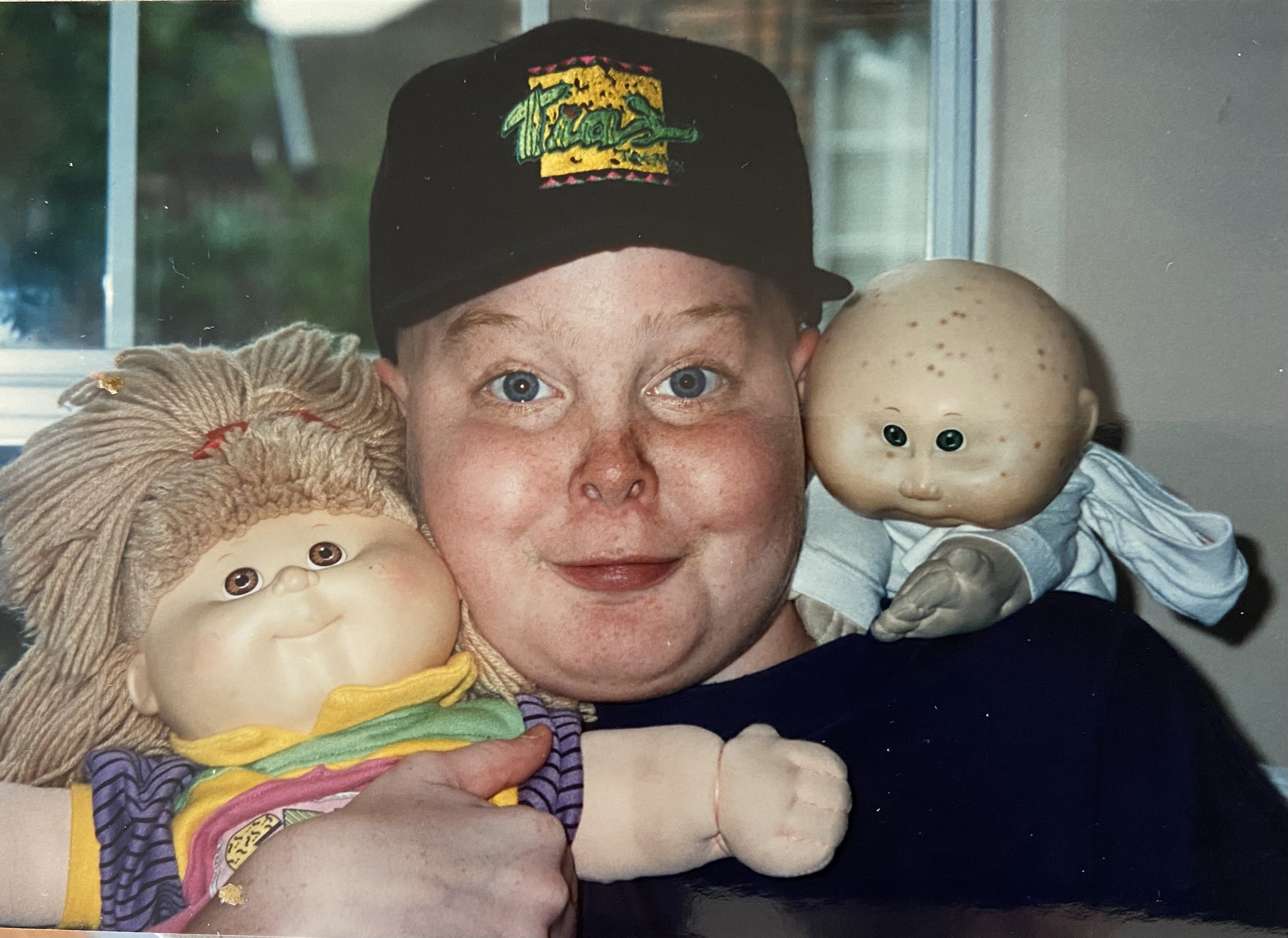
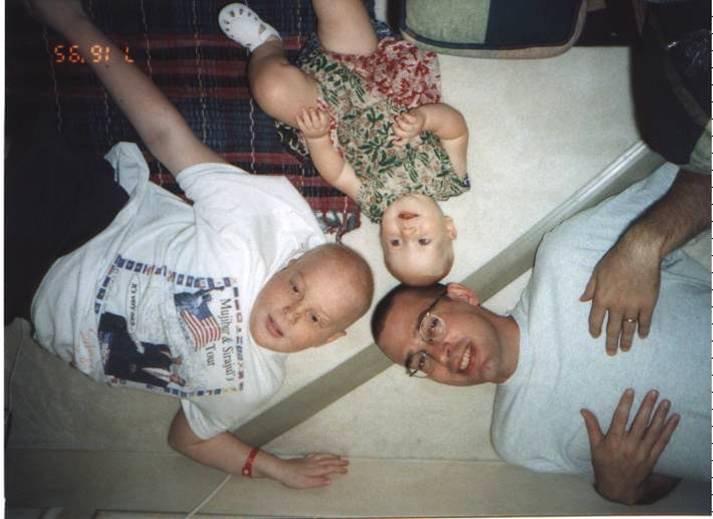
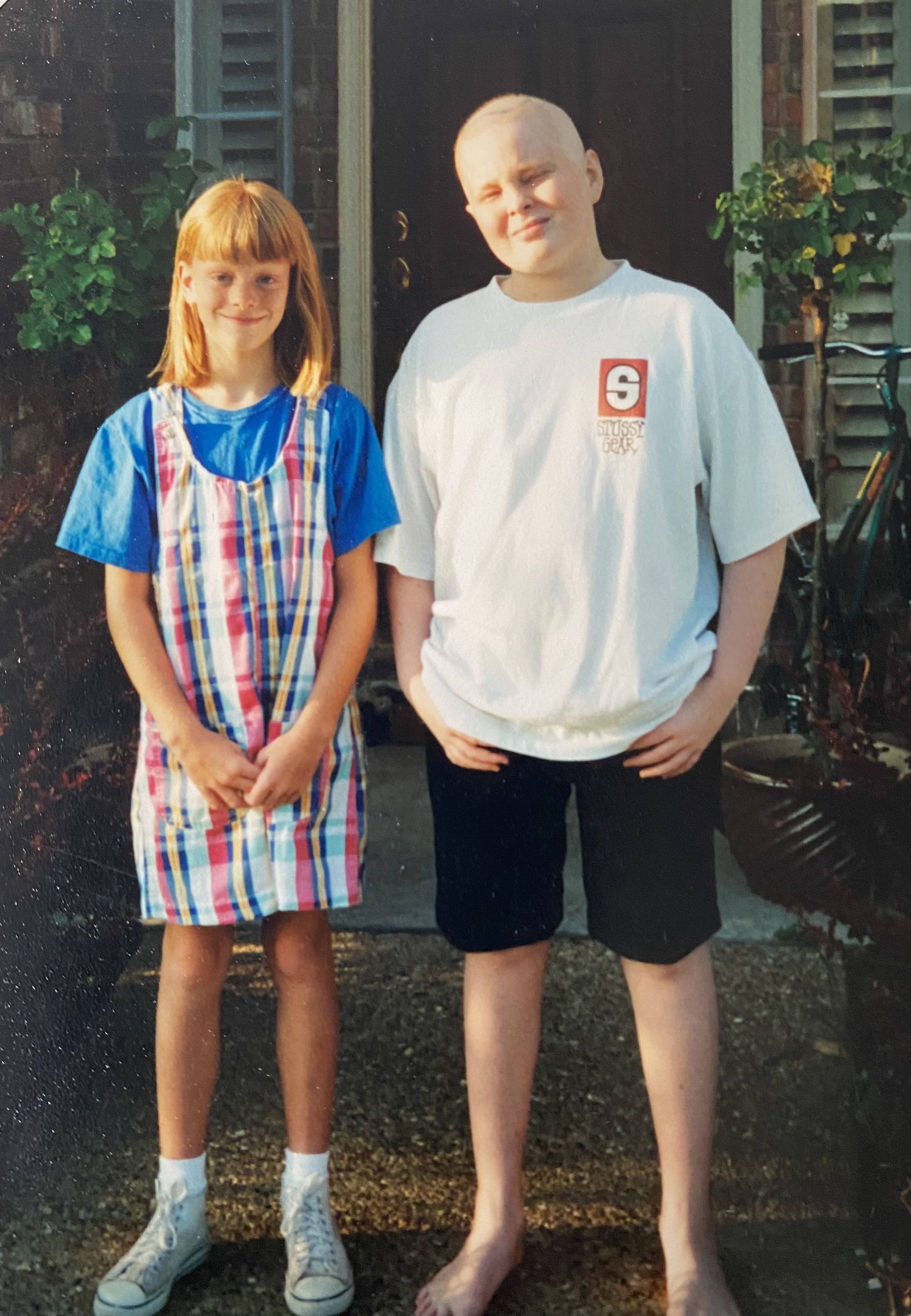
I admired Jeff for the way he responded through it all. He bore the affliction throughout that year with patience and grace beyond what I would have expected of a 12-year-old boy.
I wrote about that in the final prayer letter that I sent after his death, Remembering Jeff.
As I reflect on his life, I’m grateful not only for the good times we shared, but for the opportunity I had during the rough times to learn that there was more to Jeff than the boy I thought I knew.
Not particularly interested in sports or scholarship, Jeff specialized in providing comic relief. This was what I knew.
But among his peers, based on comments made in a journal at his memorial service, Jeff was appreciated not only for the humor he had to offer, but for being a person others could trust to do the right thing. Other of Jeff’s finer traits were brought to light over his final year. Since his first week in the hospital, Jeff demonstrated great strength of character through heroic acceptance, serenity of soul, and a determination not to surrender his buoyant spirit to his difficult circumstances.
He could very easily — and without being criticized — have given in to self-absorption and self-pity. He didn’t. Only rarely did I hear him mutter in frustration about his situation. One selfless comment he made that characterizes this was shared by one of the family’s long-time neighbors shortly after Jeff died: When she asked Jeff after his treatment if he was glad to be done with chemotherapy, his response was, “Yes! It was a lot of work for my mom.”
That neighbor also shared that when her family moved into the neighborhood several years prior, Jeff was among the few children who went out of their way to be kind to her son, who was in a wheelchair at the time due to juvenile rheumatoid arthritis.
There was more to Jeff than the comical boy I thought I knew.
As Jeff became weaker over the winter, needing to use a wheelchair himself, her son, Mason, told him, “You were my friend when I was in a wheelchair. Now you’re in a wheelchair and I’m going to be your friend.”
Tragedy is defined in the dictionary as a “morally significant struggle, ending in ruin or disaster.” Jeff’s illness and death were tragic if viewed strictly from a human perspective. But if it causes people to reach out to others, to draw closer to God, and to search the Bible more fervently for comfort and understanding — which is what, in my observation, it has done — then his death will not seem to me to be as tragic.
I spent the final three weeks of Jeff’s life with their family in Texas. Following his visit from Nancy Cartwright, AKA Bart Simpson, at their home, Jeff’s health improved enough that he was able to make his Make a Wish trip to California where he planned to meet the cast of The Simpsons and tour the studio where the show was produced.
Accompanying the family on the trip were Jeff’s nurse and her husband, and me. My parents met us when we arrived in California, and we spent the day together at Knotts Berry Farm, compliments of the Make a Wish Foundation. Jeff rode a roller coaster — twice, enjoyed a little bit of junk food, and successfully plucked three stuffed animals out of the pit using one of those crane / claw thingies, with Gramps and Granny supplying the quarters.
As we drove back to the hotel, Jeff fell asleep with his head on Kris’ lap. It had been a good day.
Jeff was tucked in bed and soon fell into a peaceful sleep. After awhile it became apparent by his breathing that Jeff was down to the final moments of his journey on earth. When he breathed his last breath there was no fear in the hotel room — just the weight of enormous sorrow made bearable by the incredible presence of God’s peace. Jeff died at 2:11 a.m. on February 11, 1996. As my father noted, the timing was just like Jeff. Even in his moment of death, he made an impression.
It has been 25 years. Kris and Tom have noted that losing a child to cancer is the gift that keeps on giving. Reminders of what you have lost continue to present themselves as you see your child’s peers graduate from high school and get married. You find yourself as a member of a club you never wanted to join. It is one of the truly remarkable, truly awe-inspiring elements of the aftermath of the tsunami that hit their family that Kris and Tom’s relationship is still solid, strong, and secure. I’m thankful to God for that.
As I noted in an earlier post, Kris and Tom genuinely remember Jeff’s final year on earth as a good year for their family. “Jeff’s illness gave us permission to say ‘no’ to extra activities and to strengthen our family through spending a great deal of time together. Even as we watched Jeff suffer over the past year, we watched him triumph in spirit. One of the joys of parenthood is seeing others come to appreciate your child’s personality and special qualities. We have so appreciated those who made the effort to enter Jeff’s unique world and become more involved in his life. Your ministry to us has been powerful, and we are forever grateful.”
 Karna Eastlund Haugen